
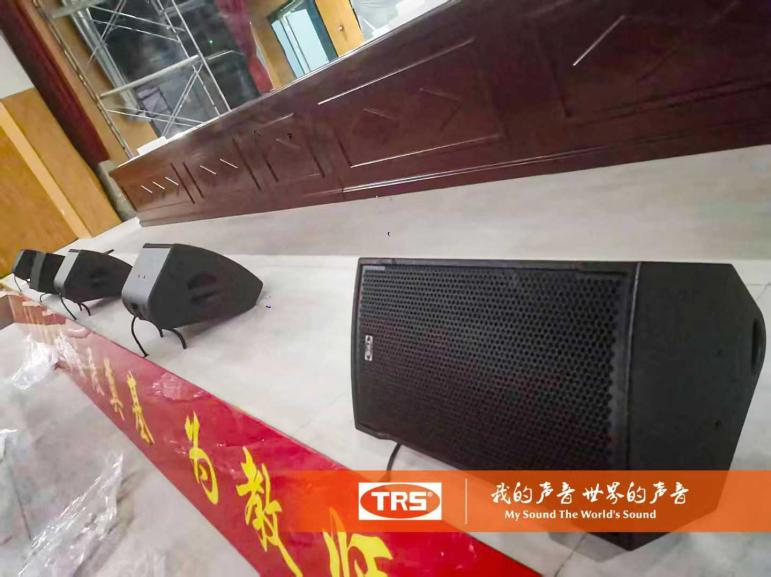
When the spotlight poured down like a golden waterfall, the singer in the center of the stage slightly tilted his head, and a string of clear and emotional notes flowed along, instantly igniting the atmosphere of the entire audience. The audience was immersed in this audio-visual feast, with applause and cheers flooding in like a tide. However, behind this seemingly natural performance, what supports the singer’s confidence and stability is not only years of hard training, but also a precise and collaborative “auditory nervous system” silently guarding. In this complex system, the rows of black boxes at the forefront of the stage – the monitor speakers - play a crucial role as the “behind the scenes heroes”. They are the “other pair of ears” of singers on the noisy stage, the auditory cornerstone that ensures a flawless performance.
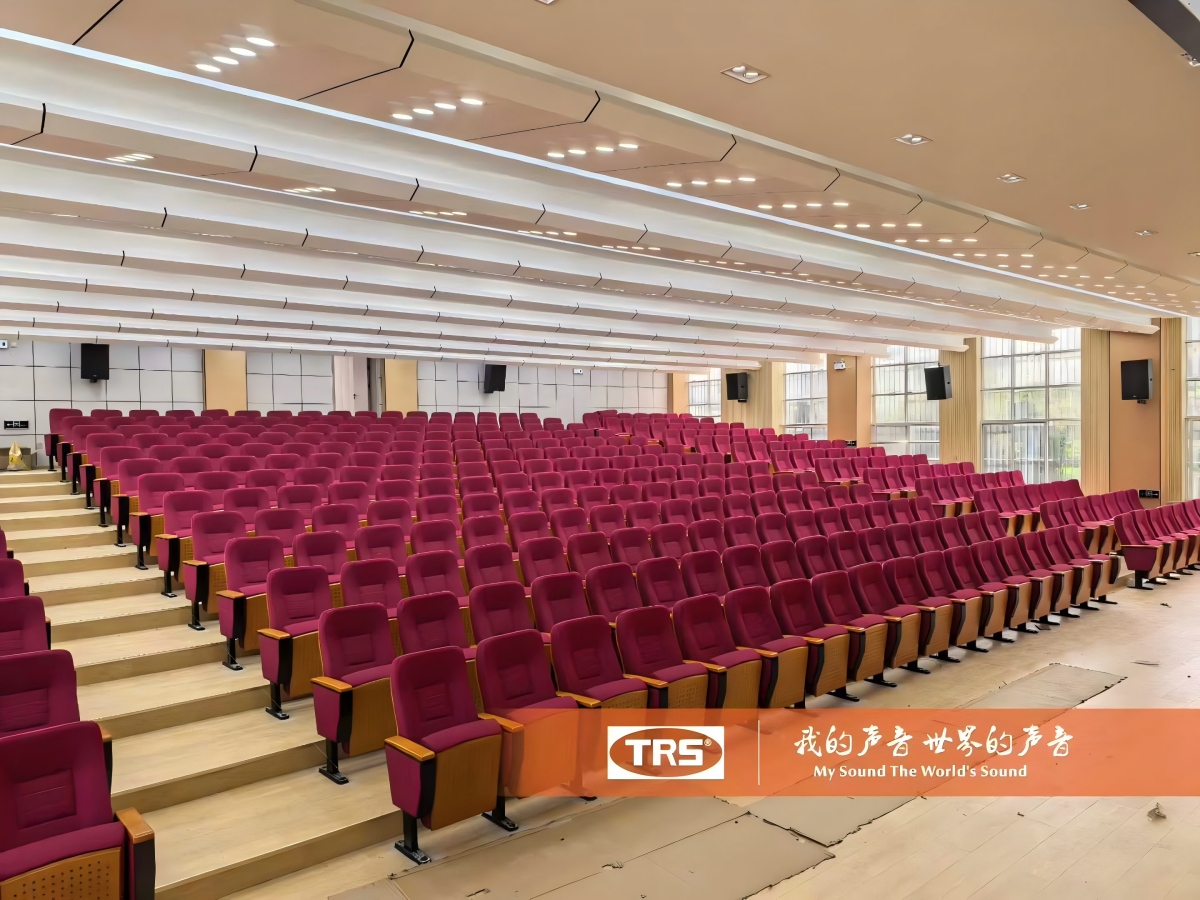
To understand the importance of surround sound speakers, one must first unveil the mysterious veil of the stage acoustic environment. In large performance venues, the propagation of sound is far more complex than we imagine. The main sound amplification system, which is a huge line array speaker facing the audience, mainly emits energy into the distance. For singers behind the stage, it is difficult for them to hear these voices directly. What they perceive is often the delayed “echo” of sound waves after multiple reflections from the audience, walls, and ceilings. This delay effect is known as the “effect” in physics, which seriously interferes with the human brain’s judgment of sound direction and rhythm. Imagine if a singer always hears a beat that is half a beat slower, their singing will inevitably have a rhythm disorder; If the human voice is drowned out by reverberations, pitch accuracy cannot be discussed. Monitor speakers were born to solve this “auditory time difference”. They are carefully arranged at the forefront of the stage, tilted upwards at precise angles, and project the carefully mixed signals from the audio mixer - including clear accompaniment, beats, and the singer’s own vocals – directly and instantly into the performer’s ears. This direct sound pressure is much greater than the reflected sound, allowing singers to hear every detail clearly like in a recording studio, thereby adjusting their breath and pitch in real time to ensure a flawless performance.
An excellent monitor speaker system is a precise crystallization of modern audio engineering technology and artistic expression needs. It is not a single device fighting alone, but a “sound link” composed of multiple professional links interlocked. The starting point of this link is a microphone with high sensitivity and high sound pressure level. It is like a sharp sentinel, faithfully capturing every subtle tremor and emotional fluctuation of the singer’s voice, and converting it into weak electrical signals. Subsequently, this signal stream flows into the digital audio mixer - the brain of the entire audio system. Here, experienced sound engineers are like skilled chefs, using auxiliary transmission channels to tailor exclusive “sound recipes” for each musician and singer. Drummers may need stronger bass and snare drums to stabilize the rhythm, guitarists are more concerned with their distorted tone and chord progressions, while lead singers hope that vocals dominate the mix. This personalized monitoring experience is the key to the band’s seamless cooperation.
However, the signal output from the audio mixer is still only a “semi-finished product”, and it needs to be deeply crafted by a processor to become perfect. The processor is like a rigorous quality inspector, using digital signal processing technology to balance, compress, delay calibrate audio signals, and most importantly, eliminate potential howling risks through feedback suppressors. Screaming is the “number one killer” of stage monitoring, which originates from the positive feedback loop generated by the microphone picking up the sound from the speaker. The piercing whistling not only destroys the performance, but may even damage the equipment. The intervention of the processor is like installing a “silencing valve” for the system, ensuring the purity and stability of the sound. The processed signal is then handed over to a professional digital amplifier for strong amplification. Digital amplifiers inject surging power into surround sound speakers with their high efficiency, low distortion, and powerful control. No matter how lively the atmosphere is on site or how high the stage sound pressure level rises, this system can ensure that the monitored sound is clear, stable, and never distorted, allowing singers to hear real and accurate sounds in any environment.
At the moment when the entire system starts up, there is an unknown guardian at work – the power sequencer. It is like a rigorous commander, connecting power to equipment such as the audio mixer, processor, and amplifier in a predetermined scientific order. This seemingly insignificant step is actually crucial. It effectively avoids the huge current surge generated when multiple devices are turned on at the same time, protects expensive professional audio equipment from damage caused by surge voltage, and also prevents the “bang” sound from bursting through the speaker at the moment of startup, which can interfere with the performance scene.
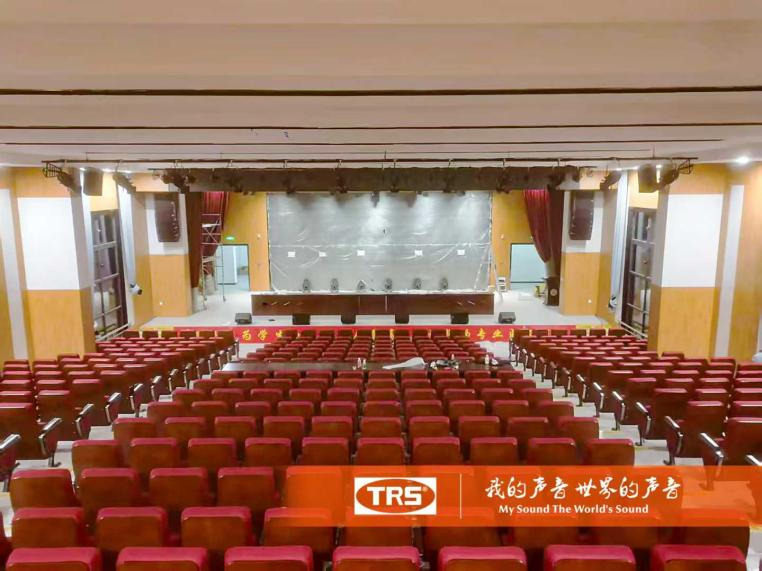
For singers, Monitor speakers provide not only sound, but also an absolute sense of psychological security and control. It is like a tailor-made ‘sound armor’, isolating external interference and noise, allowing them to focus on their breathing, emotions, and expression. In the intense rock scene, the drummer relies on it to stabilize the beat and becomes the band’s “metronome”; In delicate lyrical singing, the lead singer relies on it to capture the flow of emotions and convey the inner waves to the audience through the voice. It is not only a technical guarantee, but also a psychological pillar. It is precisely with this solid support system consisting of microphones, audio mixers, processors, amplifiers,power sequencers, and monitor speakers that singers can find their own tranquility and determination on the noisy stage, forget technical concerns, and fully devote themselves to artistic creation, ultimately presenting a soul stirring audio-visual feast for the audience. The next time you enjoy a spectacular performance, remember the listening speakers standing quietly in front of the stage. They are the bridge between technology and art, and are undoubtedly the behind the scenes heroes.
Post time: Feb-10-2026