
In the field of professional acoustics, small venues often face the dual challenges of “limited space” and “uncompromising sound quality.” As the low-frequency core of a professional sound system, the choice of subwoofer directly determines the auditory performance of the entire setup. Whether for small KTV booths, private cinemas, small meeting rooms, or home entertainment spaces, selecting the right subwoofer can not only compensate for the acoustic shortcomings of compact spaces but also synergistic effect with high-quality speaker equipment. When paired with professional amplifiers, digital amplifiers, processors, and other devices, it creates a sound field with both depth and impact—delivering uncompromising sound quality while adapting to confined spaces.
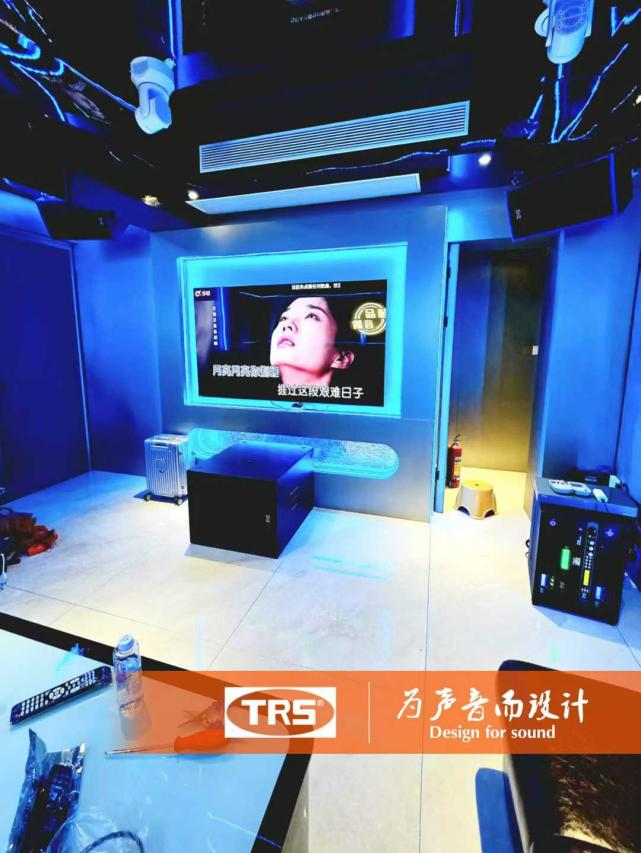
For small venues, the core principle of subwoofer selection is “matching the space and precisely compensating for frequency,” rather than blindly pursuing large size or high power—a common pitfall for beginners. Many believe that larger subwoofer produce more influential bass, but in spaces of 10-30㎡, oversized subwoofer not only occupy space but also generate standing waves due to excessive sound pressure, resulting in muddy, distorted bass that compromises overall sound quality. Therefore, when choosing a subwoofer for small venues, the primary consideration is matching its size to the space. Typically, an 8-10 inch subwoofer is the optimal choice—it occupies minimal space while effectively compensating for the bass frequency deficiencies of high-quality speaker systems, achieving balanced sound across all frequency ranges.
Apart from size, power matching is also crucial, which requires selecting based on the performance of professional or digital amplifiers. For small venues, it is recommended to control the subwoofer power within 100-200W, ensuring both audio quality and preventing energy waste or distortion due to excessive power. Professional amplifiers provide stable and ample power to subwoofer, ensuring pure and noise-free low-frequency output, while digital amplifiers, with their high efficiency and energy-saving advantages, are more suitable for long-term use in small venues. Both can be precisely matched according to the subwoofer power parameters, enabling seamless coordination between the subwoofer and professional audio systems for optimal performance.
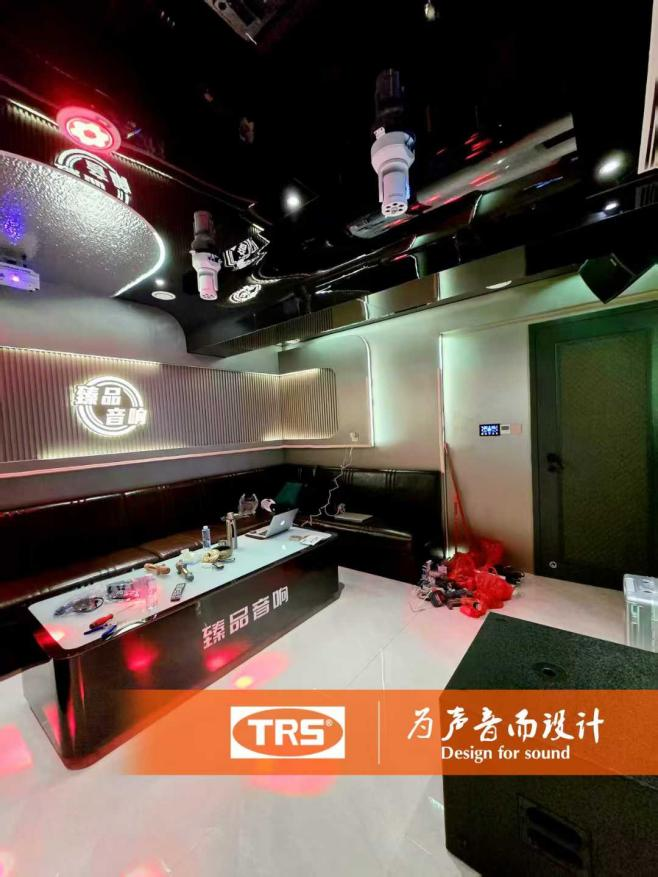
The acoustic environment of small venues is relatively complex, prone to issues like echoes and standing waves. Therefore, when selecting a subwoofer, it is essential to pair it with a processor and audio mixer for precise tuning. The processor, as the “brain” of the audio system, can accurately divide the subwoofer operating frequency range to avoid overlapping with the main speakers‘ range while suppressing standing waves, resulting in clearer and more layered bass. The audio mixer, on the other hand, allows for fine adjustments to the low-frequency range, enabling flexible control of bass intensity based on different scenarios (such as karaoke, movie viewing, or meetings). When used with microphones, it can also optimize the balance between vocals and bass, preventing low frequencies from overpowering the vocals and ensuring clear, transparent sound.
The pairing of power sequencers is also indispensable, especially in small venues where equipment layouts are relatively concentrated. Power Sequencers can turn on and off devices such as audio mixers, processors, professional amplifiers, and subwoofer in preset power sequences, preventing instantaneous current surges from damaging high-quality speaker equipment and subwoofer. This ensures the stable operation of the entire professional audio system, extends the lifespan of the equipment, and also avoids noise interference during startup, thereby enhancing the user experience.
Additionally, when selecting a subwoofer for small venues, portability and compatibility must also be considered. Prioritize compact, easy-to-install products that allow flexible placement and adapt to various spatial layouts. Ensure the subwoofer is compatible with existing professional audio equipment, such as amplifiers and microphones, eliminating the need for additional replacements and reducing setup costs. High-quality subwoofer not only suit small spaces but can also be fine-tuned to work seamlessly with professional amplifiers, digital amplifiers, and processors, delivering low-frequency effects comparable to those of large venues.
In the field of acoustics, enhancing sound quality in small venues is not a difficult task; selecting the right subwoofer is key. By adhering to the principles of “matching the space, power alignment, and equipment synergy,” choosing an 8-10-inch, 100-200W subwoofer and pairing it with professional amplifiers, digital amplifiers, processors, sequencers, mixers, and other equipment, along with high-quality speakers and microphones, can achieve a powerful yet nuanced low-frequency performance within a limited space. Whether for home movie viewing, small karaoke sessions, or minor meetings, this setup delivers an immersive auditory experience, allowing the charm of professional speaker to shine perfectly in compact spaces.
Post time: Apr-06-2026