
In the professional Sound Field, large spaces rely on equipment to create atmosphere, while small spaces rely on tuning to deliver high-quality sound. Many home audio-visual rooms, small KTV boxes, and private entertainment spaces are equipped with high-quality subwoofer and complete Professional Speaker systems, yet fail to achieve satisfactory sound performance. Common problems include turbid low frequencies, dull roaring sound, resonant trailing noise, and chaotic sound fields. Most users mistakenly believe the issue lies with subwoofer quality. In fact, small spaces feature dense sound wave reflection, severe standing waves, and overlapping frequency bands due to special acoustic environments. Without systematic tuning, even premium high-quality audio equipment cannot deliver its true performance. To obtain clean, solid, deep, and non-ear-piercing low-frequency effects in limited spaces, scientific tuning logic is essential. The coordinated calibration of subwoofer, Professional Speakers, professional power amplifiers, digital power amplifiers, processors, power sequencers, Audio Mixers, and microphones can thoroughly optimize the sound field structure and create professional-grade pure and comfortable low-frequency sound.
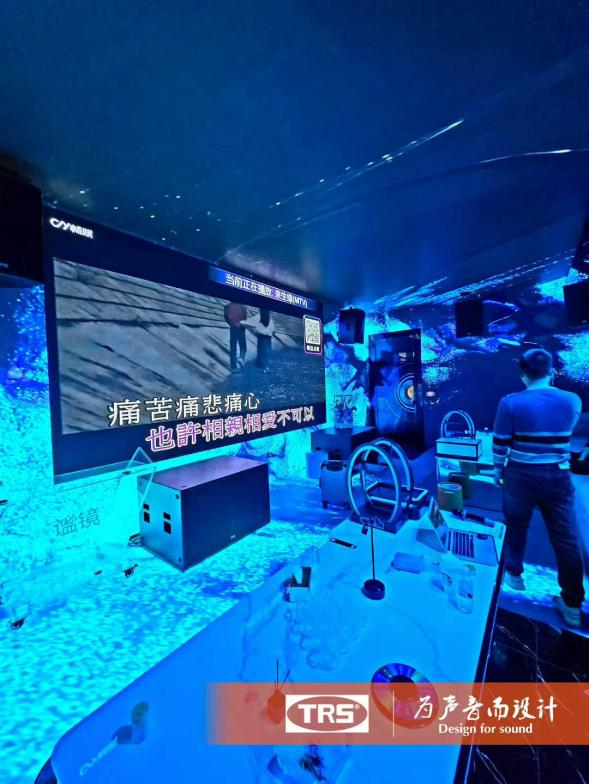
The core causes of poor low-frequency sound in small spaces are excessive power, overlapping frequency bands, and unbalanced sound fields, rather than insufficient equipment power. In confined indoor environments, short-distance propagation and rapid reflection of low-frequency sound waves easily cause stacked resonance, resulting in turbid, dragging, and persistent roaring low frequencies that cover vocal details and mess up the overall sound field. Even with high-end Professional Speakers, uncontrolled subwoofer frequency bands and unbalanced volume will greatly reduce the sound quality of the entire system. Therefore, the first step in small-space low-frequency optimization is professional power matching to reasonably control low-frequency output. Users can select professional power amplifiers or digital power amplifiers according to site conditions. Professional power amplifiers feature sufficient power and strong dynamics, suitable for long-term stable operation in small commercial boxes; digital power amplifiers are energy-saving, thermally stable, and low in distortion, ideal for home audio-visual spaces and small residential entertainment areas. Both types of amplifiers must strictly match the impedance and power parameters of subwoofer and main Professional Speakers to avoid excessive power leading to overflowing low frequencies or insufficient power causing weak low-frequency performance, eliminating distortion and roaring from the source.
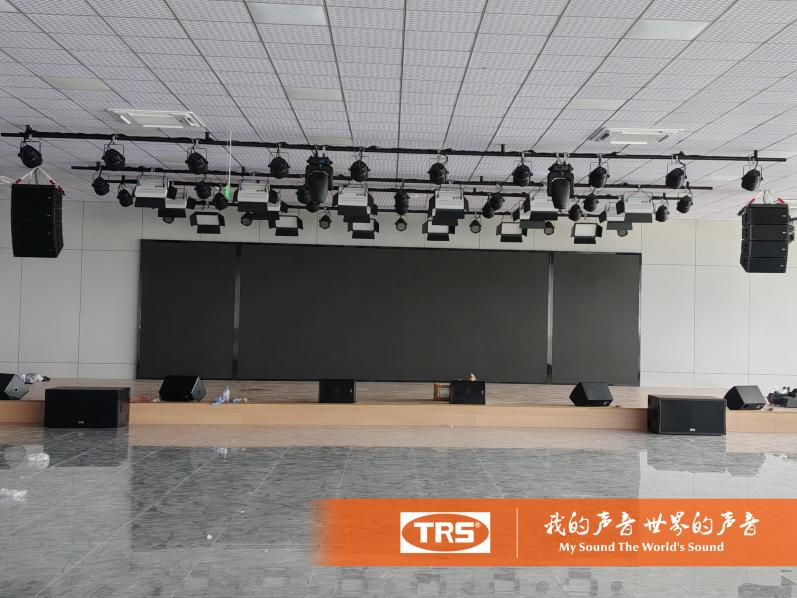
The audio processor is the core device for small-space low-frequency tuning and a key tool to solve turbid low-frequency problems. As the intelligent hub of the entire audio system, the processor accurately divides the full audio frequency band and sets an exclusive working range for subwoofer, completely avoiding overlapping interference between subwoofer low frequencies and Professional Speaker frequency bands. The chaotic sound field in most small spaces stems from mixed high and low frequencies, where vocals are suppressed by excessive low frequencies and music layers are completely lost. Meanwhile, the processor precisely adjusts delay, phase, and gain parameters to calibrate the sound synchronization of subwoofer and main speakers, solving problems of lagging low frequencies sound, and realizing natural and unified connection of the full-band sound field. For the most troublesome standing waves and resonance defects in small spaces, the processor finely attenuates abnormal peak frequency bands to eliminate indoor acoustic flaws, delivering fast-decaying, deep, and clean low frequencies without continuous roaring dull sound.
A stable and pure low-frequency audio system requires the protection of a power sequencer. Many users randomly start and shut down professional power amplifiers, digital power amplifiers, subwoofer, and Audio Mixers. Instant current impact easily causes equipment noise and low-frequency popping sound, and long-term irregular operation will damage the speaker units and circuit structures of high-quality audio equipment. The power sequencer starts Audio Mixers, processors, power amplifiers, and speakers in a standardized order and shuts them down in reverse delayed sequence, effectively protecting the entire Professional Speaker system, preventing current noise from interfering with low-frequency purity, and maintaining a stable and clean acoustic state for every use.
Audio Mixers and microphones undertake refined scenario-based tuning tasks. For different scenarios such as KTV singing, audio-visual viewing, and casual entertainment, operators can adjust the subwoofer gain, low-frequency points, and overall volume ratio through the Audio Mixer. During sound testing with handheld microphones, operators monitor the integration of vocals and low frequencies in real time, preventing excessive low frequencies from blurring vocal clarity and achieving shocking but non-intrusive low frequencies and transparent and full vocals. Repeated vocal and music audition parameter adjustments can accurately adapt to the acoustic characteristics of small spaces, perfectly matching subwoofer atmosphere with vocals and background music.
In conclusion, professional pure low frequencies in small spaces rely on scientific tuning rather than simple equipment stacking. The all-round calibration of subwoofer, Professional Speakers, professional power amplifiers, digital power amplifiers, processors, power sequencers, Audio Mixers, and microphones perfectly solves common low-frequency problems such as turbidity, roaring, trailing, and standing waves. It enables limited spaces to present layered, full, transparent, and immersive auditory experiences, allowing every home and small commercial entertainment space to unlock high-quality sound effects in the professional Sound Field.
Post time: Jun-08-2026