
A thrilling live concert can quickly lose its magic due to poor on-stage audio management, even when musicians are fully prepared and the venue atmosphere is perfect. The sharp, piercing feedback squeal always catches singers off guard and destroys the emotional connection between performers and audiences. Most of these audio accidents are caused by incorrectly calibrated Monitor Speaker systems, which serve as performers’ second pair of ears on stage. The Monitor Speaker sends the singer’s own voice and live accompaniment back in real time, helping performers stabilize pitch, keep up with the rhythm and express rich emotions. Many inexperienced sound engineers immediately tweak equalizer parameters once feedback appears, yet this simple operation often only relieves symptoms rather than solving the root cause. Feedback happens when microphones capture sound emitted by the Monitor Speaker and send signals back into the audio loop, continuously amplifying specific resonant frequencies. Before adjusting any digital audio equipment, engineers must focus on the placement of Monitor Speaker, installing each cabinet in front of performers and angling slightly toward the singer’s knees instead of directly facing the microphone’s sensitive pickup zone. Tiny changes in height and angle can greatly lift the feedback threshold, cut down acoustic coupling between speakers and microphones, and eliminate most feedback risks through physical layout optimization. After finishing placement work, engineers need to retain enough gain before feedback instead of pushing volume to its maximum limit. This is where the TRS professional processor shows its outstanding strength. It carries out precise parametric equalization and narrow notch filtering to suppress only those problematic frequencies that trigger feedback, preserving the critical mid-high vocal band that carries vocal details, without bluntly cutting frequency bands and making voices thin and unnatural.
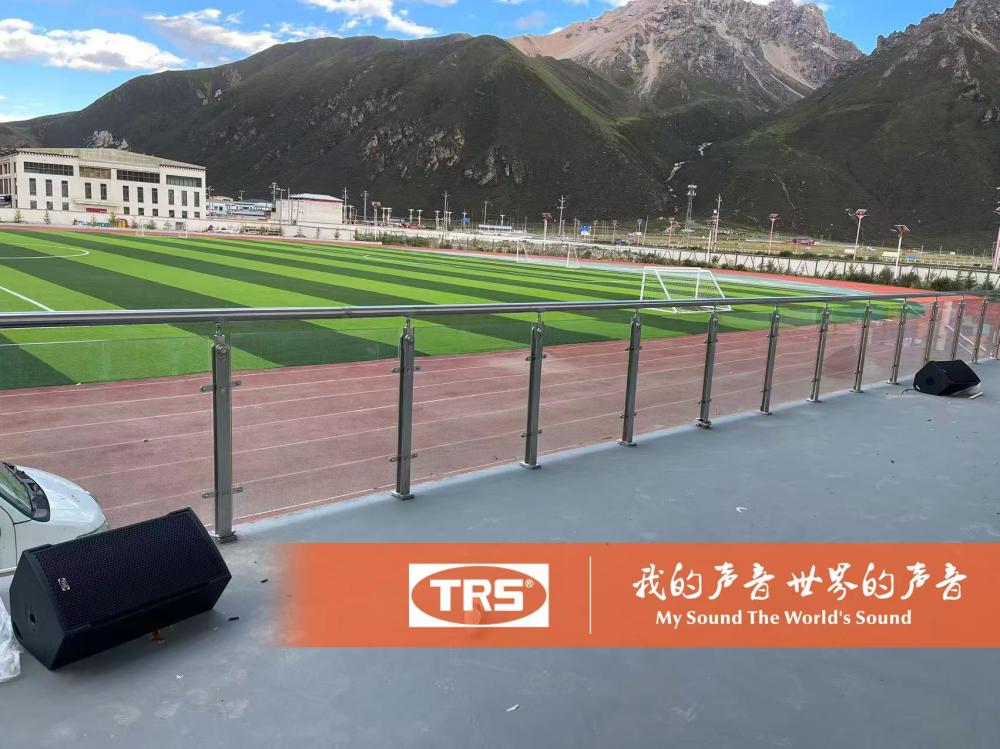
Many sound teams make the common mistake of using one shared monitor mix for all performers on stage. Vocalists, drummers and guitarists have completely different listening demands for their Monitor Speaker, and mixing all audio signals in one channel will raise the overall sound level and cross-channel sound leakage, which further increases the probability of feedback. Building independent monitoring channels allows every musician to customize their own audio mix separately. Once feedback emerges, the problem can be limited within a single signal path for quick handling, avoiding the whole stage audio system falling into chaos. Even if feedback is fully controlled after careful debugging, many Monitor Speaker systems still cannot satisfy live performance requirements because of audio distortion, a less noticeable but equally destructive issue. Distortion distorts vocal timbre, making high frequencies harsh and low frequencies muddy. When singers hear this deformed sound, they will unconsciously adjust their singing state and pitch, which easily leads to unstable live performance. High-quality Monitor Speaker relies on premium speaker drivers with flat frequency response curves, especially the 1kHz to 8kHz frequency band that decides the clarity of pronunciation, breath details and vocal timbre. The TRS Monitor Speaker adopts customized drive units and sophisticated crossover structures, faithfully restoring subtle vocal details and pursuing authentic sound reproduction instead of blindly chasing excessive loudness. A qualified Monitor Speaker should deliver the singer’s original voice without adding artificial coloration or distortion.
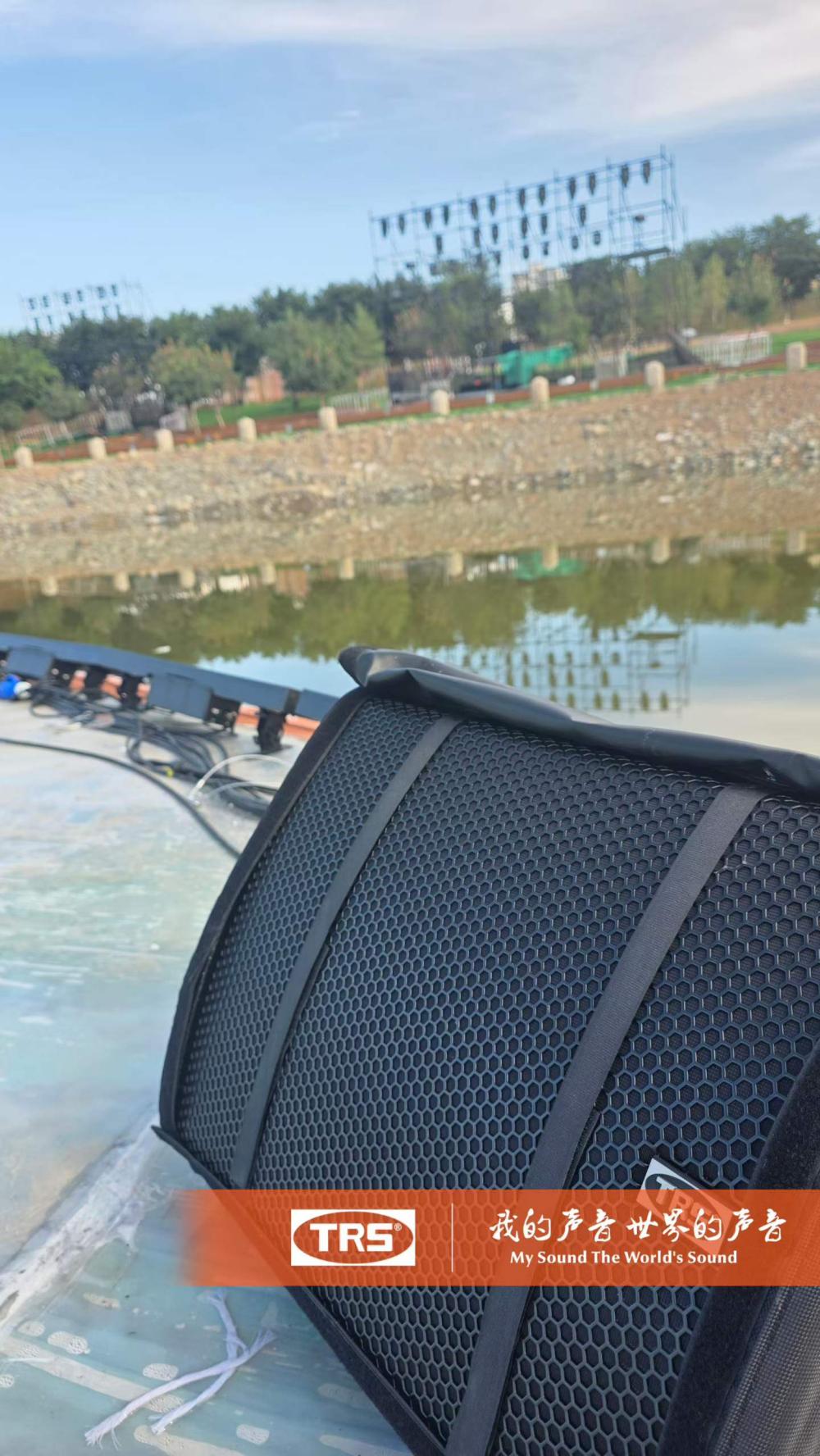
Reasonable power matching is another core factor that cannot be ignored in the whole monitor audio system. When the amplifier is insufficient, signal clipping will occur once the volume increases, producing rough and broken sound and even bringing permanent damage to speaker drivers. The TRS amplifier features sufficient power headroom and stable thermal performance, supplying clean and steady power for TRS Monitor Speaker. During long and high-intensity live performances, it can continuously output sound and keep the monitoring effect consistent from the opening song to the final encore. Many on-site engineers overlook the importance of power sequencing, which protects the whole audio system from damage caused by instantaneous current surges. Operators must follow standard power on and power off rules: power on the mixing console first, activate the TRS professional processor next, and boot up the TRS amplifier in the final step. This orderly power control can effectively prevent surge current from hitting speakers units, reduce sudden equipment failures, and extend the service life of Monitor Speaker, amplifiers and audio processors.
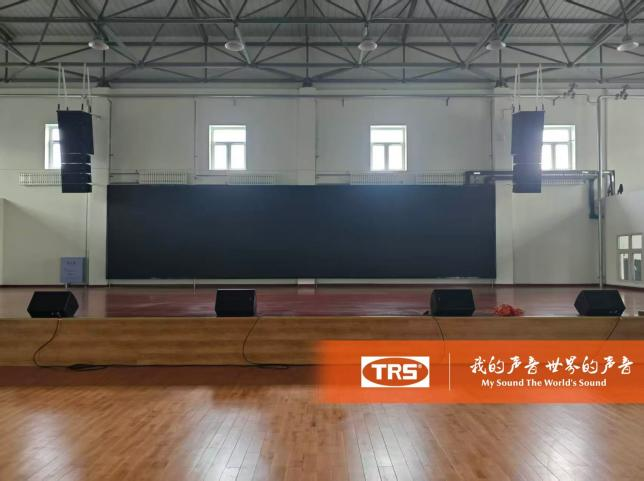
For multi-speaker monitoring configurations, phase consistency and time alignment calibration are essential work that cannot be skipped. If multiple Monitor Speaker units are out of phase with each other, sound waves will counteract one another, forming an unstable and floating audio image that makes singers tired and distracted while performing. Engineers need to complete careful phase correction and delay alignment, to ensure that the sound transmitted from every Monitor Speaker arrives at the performer’s ears in a coordinated and superimposed way. This fine-tuning work is often underestimated in live events, but it creates the dividing line between messy mixed sound and transparent, authentic vocal monitoring. Without accurate time alignment, even high-end Monitor Speaker and processing equipment cannot present a reliable listening reference for singers on stage.
The main PA system delivers sound to audiences sitting in front of the stage, while Monitor Speaker builds a trustworthy audio reference for artists standing under stage lights. Speaker placement, independent mixing channels, accurate digital processing, matched amplification and standardized power sequencer all work together to build a stable monitoring environment. When TRS Monitor Speaker, TRS amplifier and TRS professional processor form a complete and coordinated audio system, singers can clearly capture every breath, consonant and note of their real voice in real time. They will no longer struggle with sudden feedback and distorted sound, and can fully focus on expressing musical emotion rather than worrying about what they hear from the stage monitors.
Post time: Oct-14-2026