
Creating a grand sound stage in a small space is the core mission of professional subwoofer systems.
When guests step into a small KTV room of only 15 square meters, the expected shocking bass often turns into a murky roar – this is a typical dilemma of traditional sound systems in small spaces. Nowadays, a professional audio system that has undergone precise calculations is completely changing this situation. Through intelligent subwoofer technology and precise control of digital amplifiers, small private rooms can also enjoy high-quality bass experiences comparable to large venues.
The spatial optimization of professional audio systems starts with precise measurement. Technicians use professional measuring microphones to conduct comprehensive acoustic scanning of the private room, and the processor establishes a three-dimensional acoustic model based on the collected data. This model accurately calculates the resonance frequency, standing wave nodes, and reflection characteristics of the room, providing a scientific basis for subsequent system tuning. The collaborative work of digital amplifiers and professional amplifiers ensures that low-frequency energy can be evenly distributed rather than concentrated in a corner.
The processor plays a crucial role as an “acoustic plastic surgeon” in small space sound systems. Through built-in intelligent algorithms, the system can automatically identify and suppress low-frequency resonance points unique to the room. When a strong standing wave is detected near 60Hz, the processor will perform precise attenuation processing in that frequency band, while maintaining the overall low-frequency saturation through enhancement in other frequency bands. The power sequencer ensures precise synchronization of the sound generation time of all speaker units, avoiding phase cancellation caused by small time differences, which is crucial for low-frequency clarity in small spaces.
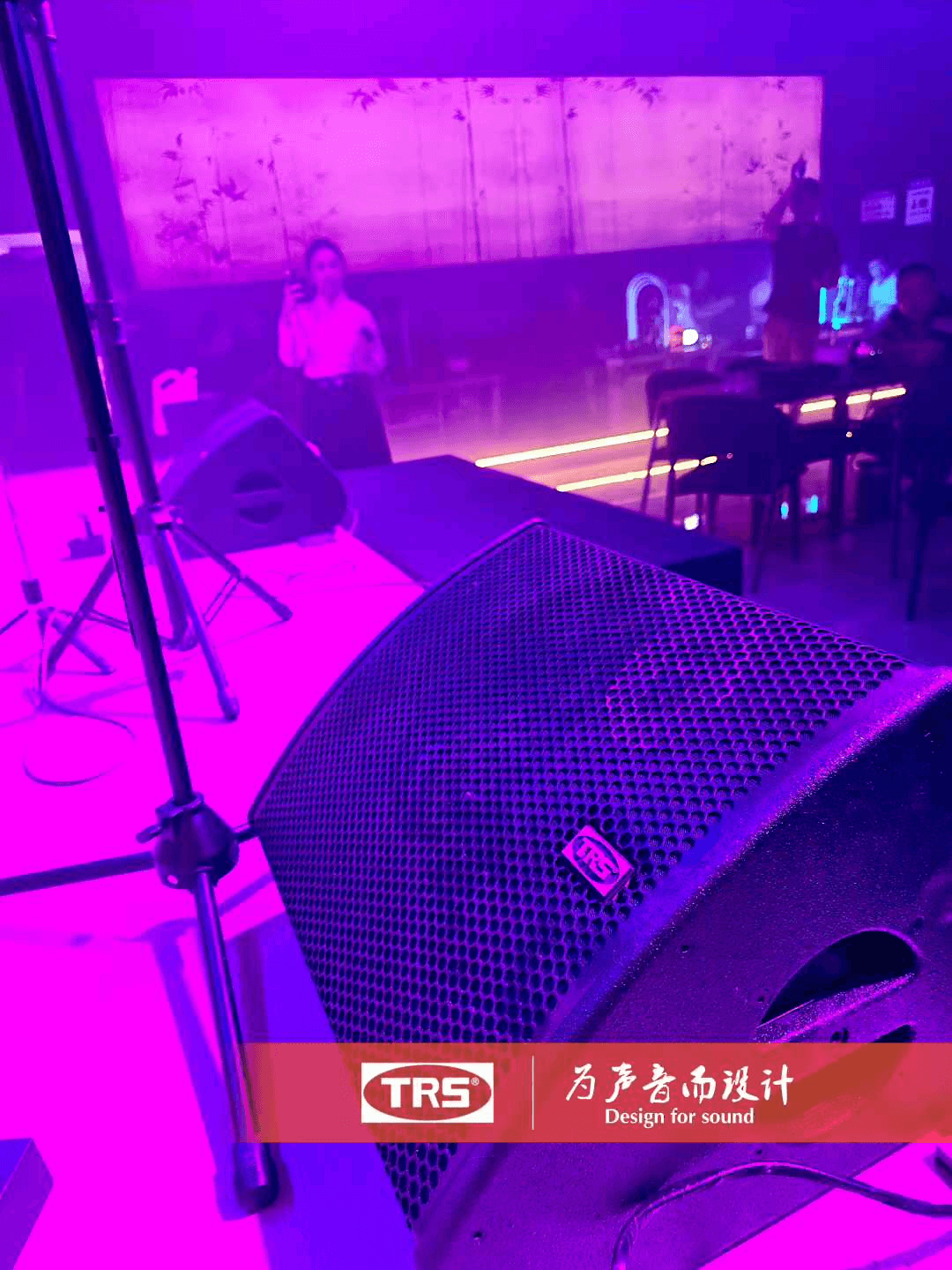
Monitor speakers play a role beyond traditional understanding in small private rooms. Specially designed near-field monitor speakers not only provide clear monitoring for singers, but also reduce sound interference to the main speaker system through precise directional control. These echo speakers work intelligently with the main subwoofer system through a processor. When the singer approaches the microphone, the system automatically adjusts the low-frequency response to avoid uncomfortable low-frequency compression at close range.
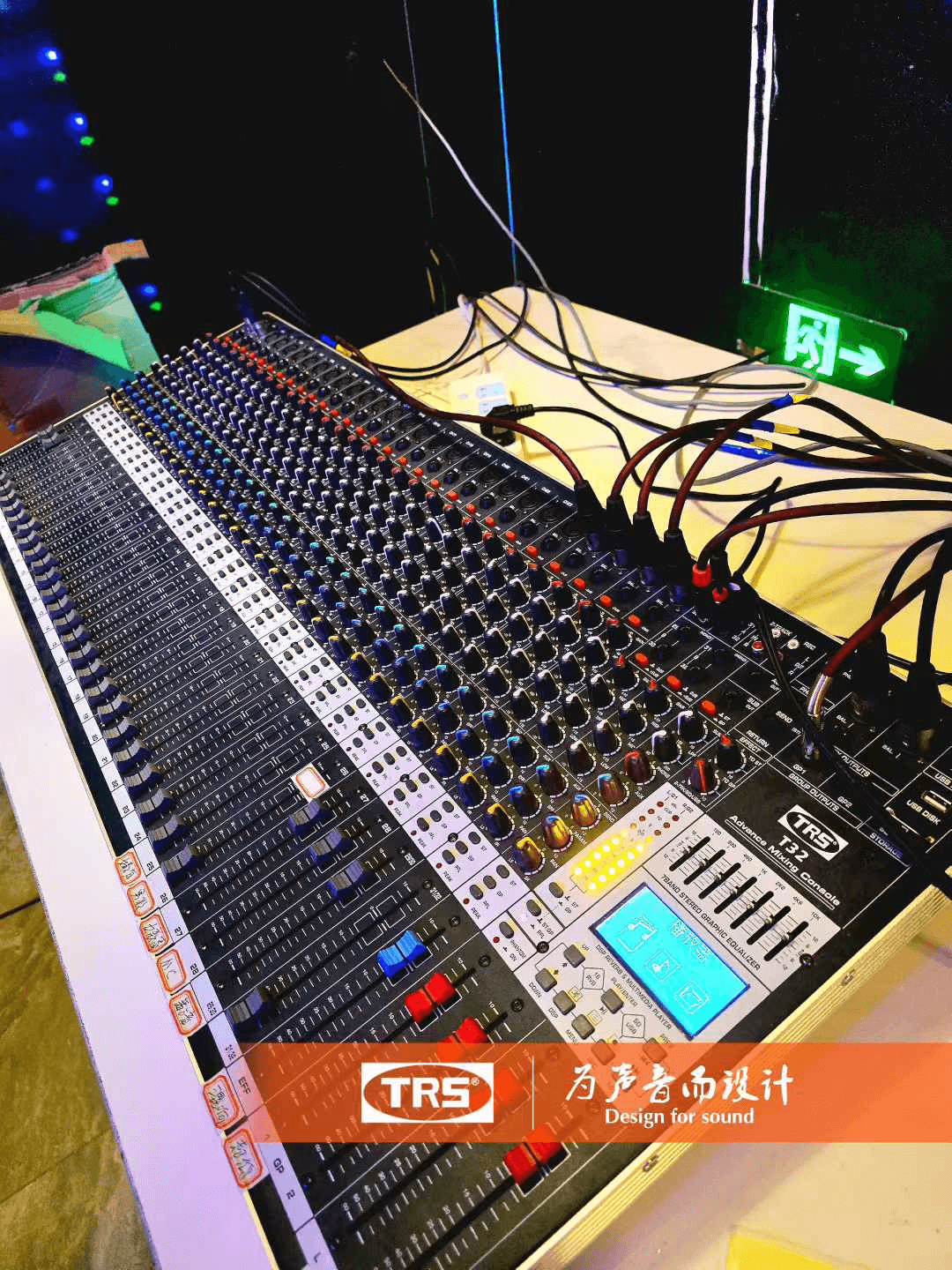
The intelligent transformation of the audio mixer makes small space audio management simple and efficient. The traditional multi-stage balancing adjustment has been simplified into several intuitive scene modes: “Party mode” will appropriately enhance the strong impact of low frequencies, “Lyrical mode” focuses on the softness and elasticity of low frequencies, and “Game mode” emphasizes transient response and positioning. The operator can easily switch through the touch screen, and the processor behind the audio mixer will automatically complete precise adjustments of dozens of parameters.
The advancement of wireless microphone technology has provided new possibilities for optimizing small space audio. The intelligent chip embedded in modern microphones can detect the user’s distance and angle in real time and send this data to the processor. When the singer moves away from the subwoofer, the system will automatically increase the low-frequency output; When the singer approaches, it will decrease accordingly, ensuring a balanced listening experience at any position. This dynamic adjustment completely solves the problem of “position determines sound quality” in small spaces.
The environmental adaptive system continuously tracks the acoustic changes inside the private room through hidden monitoring microphones. When the number of people in the private room increases, the absorption of sound by the human body will cause changes in low-frequency response, and the system will automatically adjust the output characteristics of the subwoofer to compensate. Changes in temperature and humidity can also affect the speed of sound wave propagation. The processor will optimize the delay parameters in real-time based on data from environmental sensors to ensure accurate positioning of the sound field.
In summary, the professional speaker optimization of small private rooms is a systematic project that successfully breaks through the limitations of physical space through intelligent management of subwoofer, precise driving of digital amplifiers, acoustic correction of processors, time calibration of power sequencers, convenient control of audio mixers, collaborative cooperation of echo speakers, and dynamic adjustment of smart microphones. This system not only solves the common problems of low-frequency turbidity and severe standing waves in small spaces, but also enables each small private room to obtain customized optimal acoustic effects through intelligent technology. In today’s KTV industry, which pursues refined operations, investing in such a professional small space audio solution means providing customers with a high-quality experience beyond spatial limitations, significantly enhancing the competitiveness and customer satisfaction of private rooms, and allowing limited spaces to unleash infinite acoustic charm.
Post time: Dec-15-2025