
KTV operators often invest heavily in high-quality speakers, wireless microphones, power amplifiers and audio processors, yet they still encounter frustrating audio problems after installation. Many owners find that even with premium audio hardware, the singing experience inside the room is far from ideal. Treble sounds sharp and piercing, making singers feel strained when they hit high notes, while the bass accumulates and creates a heavy booming effect that muddles vocals. Most people attribute these issues to poor speaker quality, but the real culprit is often neglected: improper acoustic treatment within the KTV room. Selecting and arranging acoustic soft decorations reasonably can greatly boost the performance of your TRS KTV audio system, unlocking the full potential of your speakers and delivering a comfortable, professional singing experience for every guest.
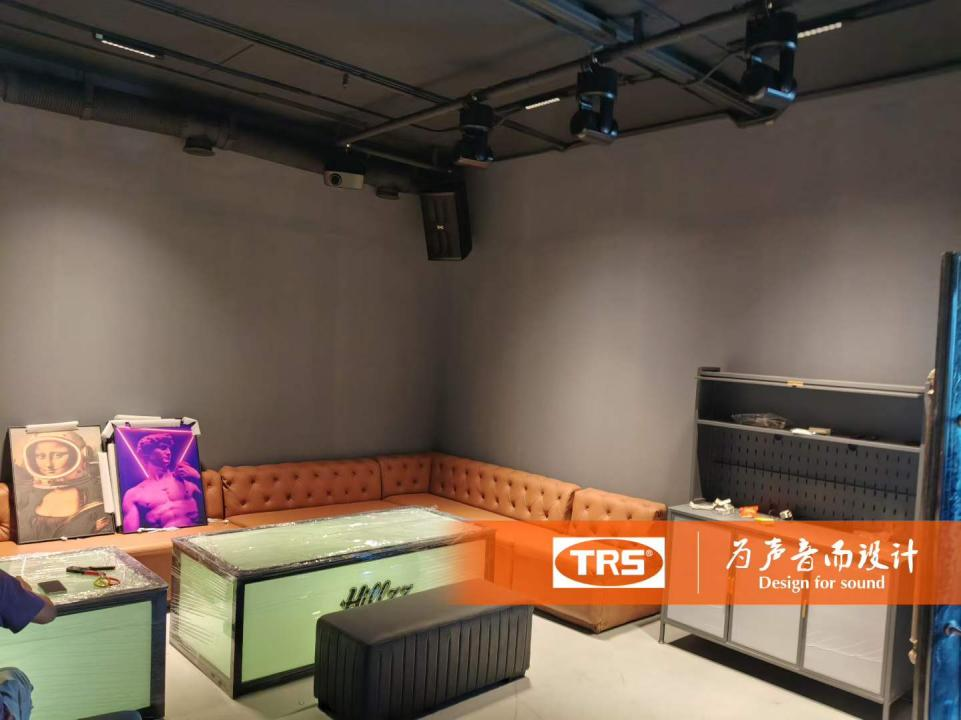
The acoustic characteristics of a KTV room are shaped by its walls, ceiling, floor and all interior surfaces. Hard, smooth surfaces such as cement walls, glass panels and ceramic tiles reflect sound waves strongly. When sound bounces repeatedly between these hard boundaries, standing waves and excessive reverberation occur. High-frequency sound reflections pile up quickly, leading to harsh treble that hurts the ears. For low-frequency sound, certain room dimensions will trigger resonance, causing bass to build up at specific positions and generate annoying booming noise. In such an environment, even top-tier TRS KTV speakers cannot perform as designed. The sound will lose clarity, vocal articulation drops, and singers struggle to hear their own voice properly, which ruins the whole karaoke experience. That is why acoustic soft decoration is not an optional add-on, but a core part of the whole KTV audio solution.
Sound absorbing materials are the primary tool to control reverberation and reflection in KTV rooms, but many decorators make the mistake of covering every wall with absorbent panels blindly. Over-absorption will make the room sound dry and lifeless; the music loses warmth and texture, and singing feels dull and flat. The key lies in targeted placement. Thick sound-absorbing fabric panels work perfectly for first reflection points on side walls, catching reflected treble and eliminating sharp peaks. Porous acoustic foam can be installed on partial ceiling areas to cut down vertical sound reflection. Bass traps, a special type of low-frequency attenuator , should be placed in room corners where low-frequency energy accumulates the most. These bass traps effectively suppress low-frequency resonance and reduce the booming bass that overwhelms vocals. Cooperated with TRS audio processor, we can fine-tune the equalization parameters to match the treated room, further smoothing frequency response and enhancing vocal performance.
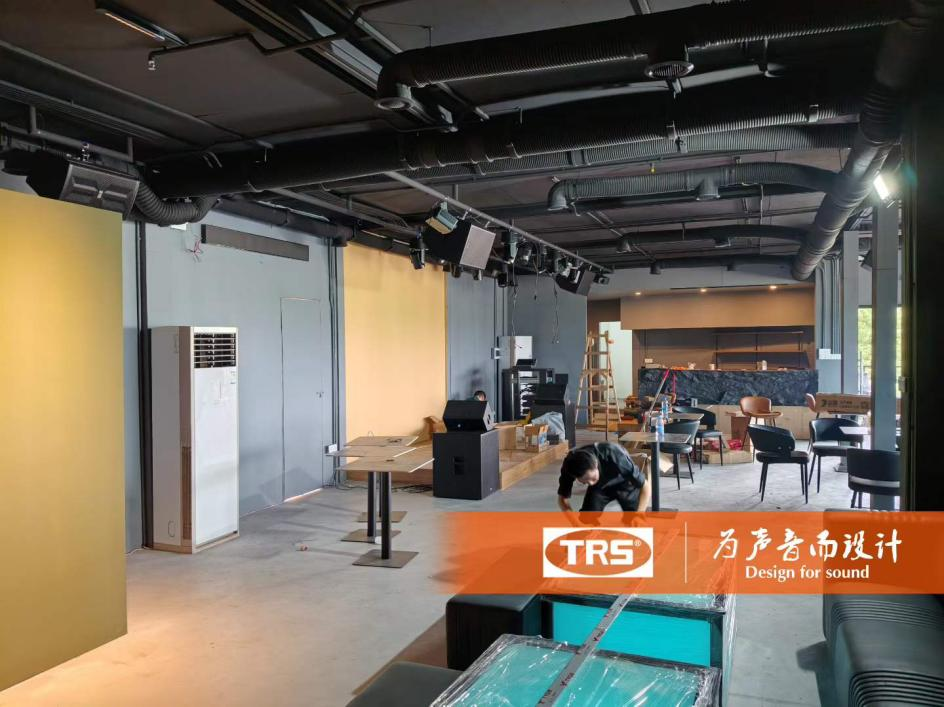
Besides professional acoustic panels, many soft decorative materials can assist acoustic enhancing. Fabric upholstery on sofas, thick fabric curtains and soft carpet on the floor can absorb partial sound energy naturally. They can replace hard reflective surfaces and soften sound reflections while improving the aesthetic style of the KTV room. However, these decorative materials alone cannot solve severe low-frequency resonance. They serve as auxiliary measures, not substitutes for professional bass traps and acoustic attenuator . When designing the decoration scheme, acoustic engineers need to balance visual style and acoustic performance. The room decoration can maintain a fashionable look, without sacrificing sound quality. After the soft decoration construction is finished, technicians will use the TRS microphone to conduct on-site acoustic testing, collect real room frequency data and adjust the audio system accordingly.
A well-treated KTV room creates a balanced acoustic environment for your whole audio system. The treble becomes clear and smooth instead of sharp; bass is tight and controlled rather than muddy and booming. Singers can hear their own voice naturally, so they do not need to shout while singing. Every lyric stays distinct, background music and human voice achieve perfect separation. Guests can enjoy professional-level karaoke effects, which greatly improves customer satisfaction and encourages repeat visits. For KTV business owners, acoustic soft decoration is a cost-effective investment. It prevents unnecessary hardware upgrades, reduces the workload of audio debugging, and protects your TRS power amplifier and TRS speakers from long-term overload operation caused by bad acoustic conditions.
In summary, excellent KTV sound comes from the combination of professional audio equipment and well-designed acoustic soft decoration. High-performance speakers, amplifiers and processors can only show their strength when the room acoustic environment is properly managed. By reasonably arranging sound absorbing panels, bass traps and soft decorative materials, you can eliminate harsh treble and annoying bass booming. Whether you are building a new KTV space or renovating existing karaoke rooms, do not ignore acoustic design. Pair thoughtful acoustic treatment with reliable TRS KTV audio system, and your karaoke venue will stand out among competitors and bring immersive singing enjoyment to all visitors.
Post time: Oct-20-2026