
Professional test data shows that the line array sound system can control the uniformity of the sound field in large venues within ± 3 decibels, and the voice transmission index reaches a high-quality level of 0.75
The biggest pain point of traditional sound systems in crowded sports stadiums or open-air squares is that the sound rapidly decays with distance – according to the inverse square law, the sound pressure level decreases by 6 decibels for every doubling of distance, which means that the volume heard by the rear row audience may only be a quarter of that of the front row. Nowadays, line array sound systems based on beam forming technology are completely changing this situation, achieving true “auditory democratization” through precise sound field control.
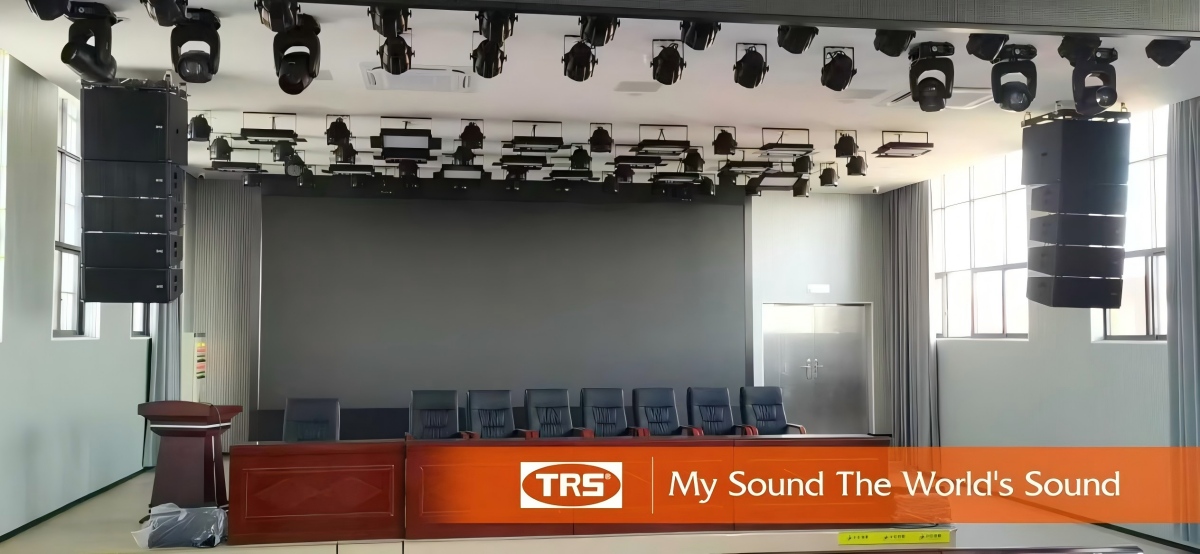
The breakthrough of professional audio systems lies in the scientific reconstruction of the propagation mode of sound waves.line array speakers work together through multiple vertically arranged speaker units to generate highly directional cylindrical beams. This type of sound wave can be precisely guided like a flashlight beam, concentrating energy and projecting it onto a designated area, avoiding energy waste towards the sky and invalid spaces. In practical applications, a carefully designed line array speaker can deliver over 80% of the sound energy to the target audience area, while the proportion of traditional point source speakers is usually less than 50%. The collaborative design of professional amplifiers and digital amplifiers provides the necessary power guarantee for the system. The former ensures the main sound pressure output, while the latter efficiently drives auxiliary systems. This combination significantly reduces energy consumption while ensuring sound quality.
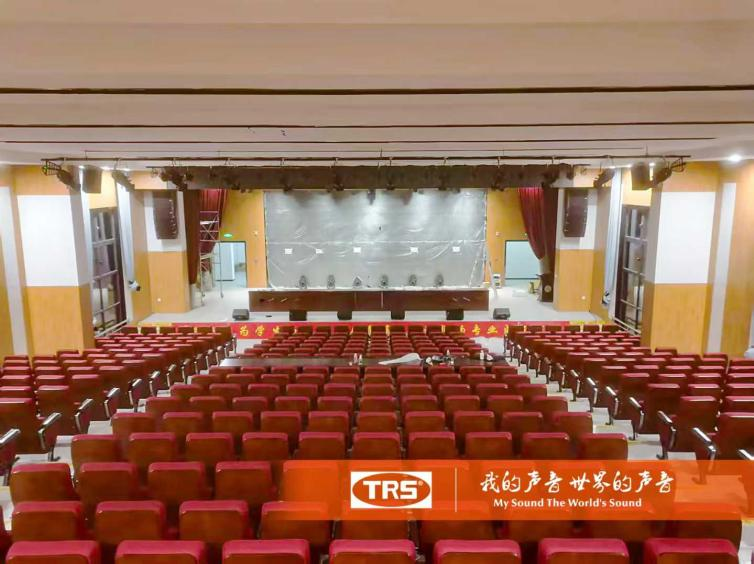
The processor is the intelligent core that enables precise sound field control. Before system installation, technicians use measuring microphones to collect acoustic data at multiple locations in the venue, and the processor builds a three-dimensional acoustic model based on this data. This model accurately calculates the optimal suspension angle, tilt angle, and delay parameters for each line array speaker. In practical use, the processor dynamically manages the collaborative work of all units through a power sequencer – when a specific area with high audience density is detected, the corresponding line array unit will automatically enhance the output; When encountering headwinds or humidity changes, the system will adjust the frequency response in real time for compensation. This intelligent adaptability enables the system to maintain optimal performance under different environmental conditions.
The configuration of subwoofer requires special consideration in large venues. Traditional single subwoofer often produce uneven low-frequency distribution in wide spaces, while modern solutions adopt distributed subwoofer arrays. Through the intelligent management of the processor, multiple subwoofer units work together to form uniform low-frequency coverage in the audience area. This not only enhances the shocking effect of the music, but more importantly, provides solid fundamental support for speech – the low-frequency components in human voice (especially male voice) can be improved by more than 30% after appropriate enhancement.
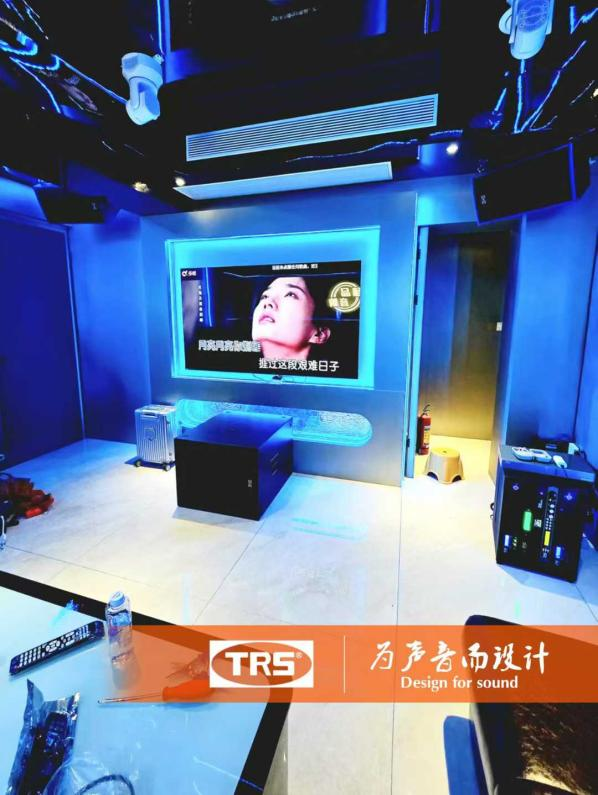
Wireless microphone systems face unique challenges in large environments. The professional grade handheld wireless microphone adopts UHF band diversity reception technology and directional antenna system, which can maintain stable connection in complex electromagnetic environments. The more advanced microphone is equipped with an intelligent chip that can detect the user’s position and distance in real time – automatically reducing the gain when the speaker approaches the main speakers, and appropriately increasing it when they move away, ensuring that the sound is always clear and stable. When multiple microphones are used simultaneously, the processor’s automatic mixing algorithm intelligently balances the volume of each microphone to avoid situations where some speakers’ voices are prominent while others are drowned out.
The operation interface of the intelligent audio mixer has been carefully designed to transform complex professional controls into intuitive scene management. The operator can select the preset “sports mode”, “concert mode” or “conference mode” through the touch screen, and the system will automatically complete all parameter settings. The power sequencer ensures that the start stop power sequence of each device is completely synchronized during the mode switching process, avoiding popping sounds or signal interruptions. The advanced audio mixer also supports multi operator collaboration, achieving seamless connection of various audio links in large-scale events.
In summary, the acoustic solution for modern large-scale venues is a system engineering that integrates precise pointing of line array speakers, intelligent control of processors, stable driving of professional amplifiers, efficient conversion of digital amplifiers, precise synchronization of power sequencers, uniform coverage of subwoofer, reliable transmission of intelligent microphones, and convenient operation of audio mixers. This “fair sound field” system not only breaks through the limitations of physical space on sound propagation, but also achieves equal information transmission through technological innovation. It provides almost identical listening experience for every seat in the venue, eliminating distance as a barrier to accessing information. In today’s increasingly frequent large-scale events and constantly improving audience experience requirements, investing in such a professional audio system is not only a pursuit of technological progress, but also a respect and guarantee for the auditory rights of every audience member.
Post time: Jan-27-2026